Thursday, 30 June 2016

The Solitude of Humanity and Memory

One of my photos of Auschwitz II (Birkenau)


A bit of a departure from this is an article/reflection I wrote about a trip I partook in during March 2016 that had "elements of the Holocaust interspersed here and there" to quote a line from the article. This is "The Solitude of Humanity and Memory" 


What is humanity, and where did it go during the Holocaust? It was questions like this that one couldn’t help but ask walking in places that will forever be scarred by their pasts. This past March I was among a group of thirty-one students and four teachers that went on a trip of a lifetime to Germany, to the Czech Republic, to Poland. And to Dachau, to Plaszow, and to Auschwitz.

Everything you experience  molds you; afterward there are always ghosts in your heart, memories that you take with you., but this trip held within its core an undercurrent of a more powerful weight, something fundamental to take back and hold onto.

We had the time of our lives. The awesome chance to explore Europe and the deeper meaning from being in places where, to quote the teacher-librarian at my high school "some of the most profound moments in history happened", worked together better than most may think. The trip was like a flower, the elements of the Holocaust interspersed here and there brought more petals and a profundity; it was a rose rather than a daisy, still beautiful, perhaps even more so.

A shot of Munich's City Hall
We started off in Munich, admiring the ice cream sweater worn by our tour leader, Daniel, while falling in love, through the jet lag, with this absolutely beautiful city. We sat in the very beer hall Hitler delivered his first speech, learned about the perversion that was brought upon the soul of the city, and the resistance from the very start in the way people went through 'Dodgers Alley' to avoid having to salute the Nazis. We learned about the way Munich has rebounded, how today at its heart is trust and kindness.  

We went to Dachau and came face to face with the chilling reminder of just what people are capable of, the industrialization of horror.

Then it was off to Prague. We were wowed by
the beauty of the city of one hundred spires perched high up in Prague Castle, and enchanted by the well-preserved medieval flair of this city untouched by World War II. Wandering the maze-like streets that are full of surprises, we felt the art at the center of this city's soul nourish ours (along with some great Czech treats).

A shot I took of Prague


Next, it was time for Poland. First came Krakow, another city undamaged by the war. We shopped in the beautiful markets, ate some of the best food of the trip (pierogies right from the source, anyone?) and were swept away by the legend of Krakow’s Dragon which has turned dragons into a sort of mascot for the city. We visited Kazmierez the old Jewish quarter and saw some of the places Schindler's List was filmed, learning that it's not uncommon for people to be unaware of their Jewish heritage because of the war.
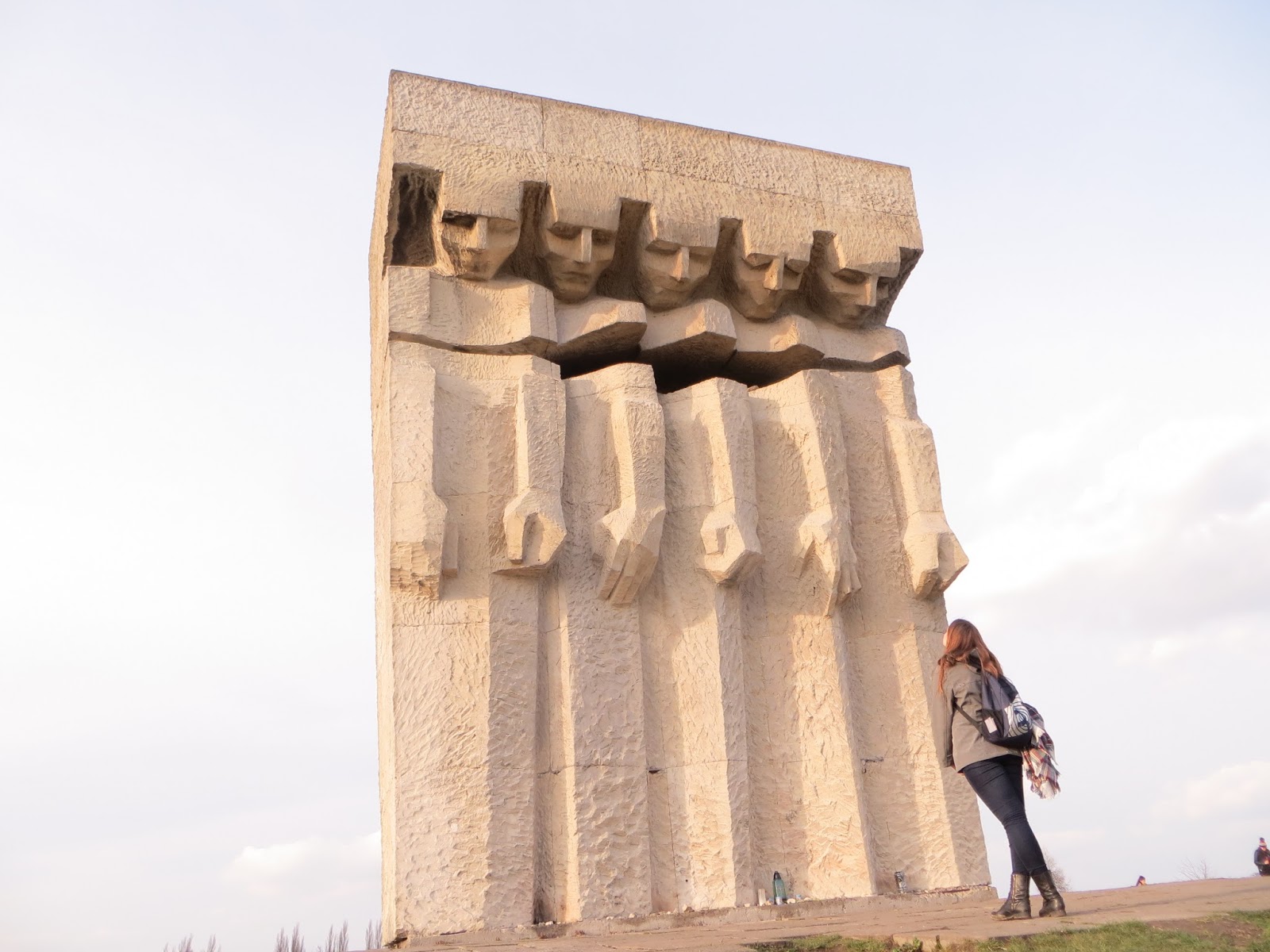
A student looking up at a Memorial at Plaszow
We went to Plaszow, a "forgotten" camp, that has only a few monuments and signs to memorialize what happened there and came face to face with the deep-seated sense that peace can be brought back to a place that was once without it.

We went to Auschwitz and felt the ghosts of what happened there make the place come alive. Faced with the reality of what had occurred and how severe the situation became, life takes on a surreal quality and one couldn't help but wonder HOW? How does one move on from this? How did the world do it?

The Entrance to Auschwitz


With hearts still full of these new questions, we went to Warsaw. From the raised ground due to rebuilding on top of rubble, to the numerous monuments, honouring outstanding groups as well as people, there will always be echoes of the war in this city.
A picture I took of Warsaw's Old Town
We got a taste of life in Poland buying everything from clothes to chocolate in a huge Polish mall.  We learned about Janusz Korczak, who ran an orphanage and refused to abandon the children when they were deported, even though he was offered freedom.

Finally, we went to Berlin. We saw the ghosts of Nazi times in some of the city’s planning and looked the past in the eye standing before an original building the Nazis used. In a city once divided, we thought of all there is to bring everyone together walking among the different monuments there. We got some of the best chocolate one could ask for at the famous “Fassbender & Rausch” and were enchanted by “Ampelman” the iconic stop/walk duo of the city while we made friends with Buddy Bear, the bear statues all over the city.

We found out about the turmoil World War II
A section of the Berlin Wall
brought to the German identity and the comfort in and pride of the transparency, of having owned up to it. Standing before the Berlin Wall, we saw the manifestation of the ways people are divided, the ways we still are, to some extent, and the slow process of healing and mending those rifts among us.


***

"They suffered together, they died together, they survived together, but still, they refuse to be together" Daniel, our tour leader expressed his frustration over the way there were no memorials at Dachau for everyone, that they were separated by group.

This really made me wonder WHY? Have we not learned? Was going through something that terrible not enough to make us want to show a united front, solidarity? Why was the biggest construction there a cross, why was the Jewish monument to the side, how was there a hierarchy in how we are allowed to mourn those who were lost?

The Jewish Memorial At Dachau


Maybe it has something to do with, as my group’s teacher-supervisor said, “the solitude of humanity and memory”.

I've come to realize that as people... we want to feel special, and we want to be able to have things that are ours alone, FOR us. But the solitude of humanity is that in our search for special, for ours, we forget the things that are fundamentally the same, and that IS humanity. And WHEN there is solitude in humanity, that is a dangerous, dangerous thing.

Looking back, in some ways separate monuments makes a lot of sense. Memory is a solitary thing, because no two people experience the same. And the Holocaust was a lonely experience, those going through it probably never felt more alone in their lives, despite being surrounded by people.

The Denkmal Memorial
Like the sense the Denkmal (the Jewish) Memorial in Berlin seems to try to recreate, it must have felt like you were the only one that exists, that you were suddenly swallowed by shadows, walls put up by all the ways others tried to control you, define you. The reminder that you aren't alone helped you through, it might even be what got you through, but in the end you made it out, alone.

So perhaps the separate memorials are an unconscious nod to that loneliness but, don't we want to show that that’s no longer the case and we are no longer alone?

It is so, so important to recognize and celebrate differences, but perhaps ''never again'' keeps happening again because we don't use our solitary memory to create a more whole humanity.

We climbed towers, fought dragons and made friends for life. And now that we're back we're bringing with us more than just chocolate and teddy bears. Walking in the footsteps of who I used to be, I look at things with a new perspective, with a more in-depth understanding of life and a deep set knowledge that time passes, and the world moves on, but We. Will never. Forget. In the end, that is all we can offer, our memory, in whatever solitary form it comes, and in the wake of horror that seems to transcend reality, in many ways it is nothing, but it is also everything.



Saturday, 9 April 2016

7 Years - For Andrea Christidis


A friend of mine was a relative of hers and this story is just so sad I felt the need to create a tribute to her so I rewrote Lukas Graham's 7 Years to reflect her story, from the point of view of somebody close to her. This is for six months to the day she succumbed to her injuries and died. 

If you are unfamiliar with Andrea Christidis' Story, this is a lovely article and touching tribute Andrea Christidis, a life cut short.

To the girl, young woman, really, I could have known but didn't, who was taken from us far too soon so I will never have the chance.

7 Years - For Andrea Christidis


Once she was 7 years old,
Oh such a sweet soul a
Light for all her friends,
and all her family.
Once she was 7 years old


It was a big big world,
But her smile was bigger.
So infectious it
Filled everybody with her.
Perfect addition to her family,
Oh so good and loving.
They knew that she was destined
To do greater things.  


Then she was 11 years old,
With a heart of gold she
Was already so promising.
Once she was 11 years old.


So very full of life,
Seemed like nothing could stop her.
Oh she dreamed of London,
and the world of Harry Potter.
Wanted to be a doctor.
Really loved adventure.
And no one dreamed this tragedy 
could have occurred.


She’ll never be twenty years old,
A drunk driver stole her
Away from all her friends,
And all her family.
She’ll never be twenty years old


She had so much to live for,
Destined for glory.
Loved math and science,
But not her hair all curly.
Oh she felt insecure,
Like any other girl.
A million times I’d call her perfect,
Oh she meant the world.


She’ll never be 20 years old,
But her story will be told,
Hoping there won’t be more of these tragedies.
But she’ll still never be 20 years old.


Soon I’ll be 30 years old,
But I don’t feel quite whole.
How do I face my life without her?
Because she’ll never be 30 years old.


You would have been almost 19,
Ready to go onto 20.
Off to see bigger things,
walking those London streets.
But on October ninth when
A stupid choice took your life.
Oh it’s just so damn unfair,
and it still cuts like a knife.


One day I’ll be 60 years old,
And I feel so cold,
Thinking of all those years without her.
She’ll never be 60 years old.


Once she was 7 years old,
She had such a pretty soul.
A light for all her friends,
and all her family.


Once she was seven years old.  


To her friends and family: Keep fighting because you, are worth it

Hugs.
- Maggie

Thursday, 24 December 2015

Strong Female Role Models? I Think what We Really Mean is Tough (Part II)


So I'm way late with this but here you go: the 2nd of two posts I've done on this topic. Read part one here

Note: I also use gender binaries such as women/men and male/female in this post for simplicity's sake, but I understand and recognize there are many more gender expressions and identities out there. 


The other big pitfall I've identified is that it goes along with the narrative that undermines women and our experiences over the centuries.


Because when we want more "strong female role models" that implies that there weren't very many to start with. And I know it must seem that way, but I think there have been examples of women exhibiting exceptional strength all along and we just don't identify that as "strong".


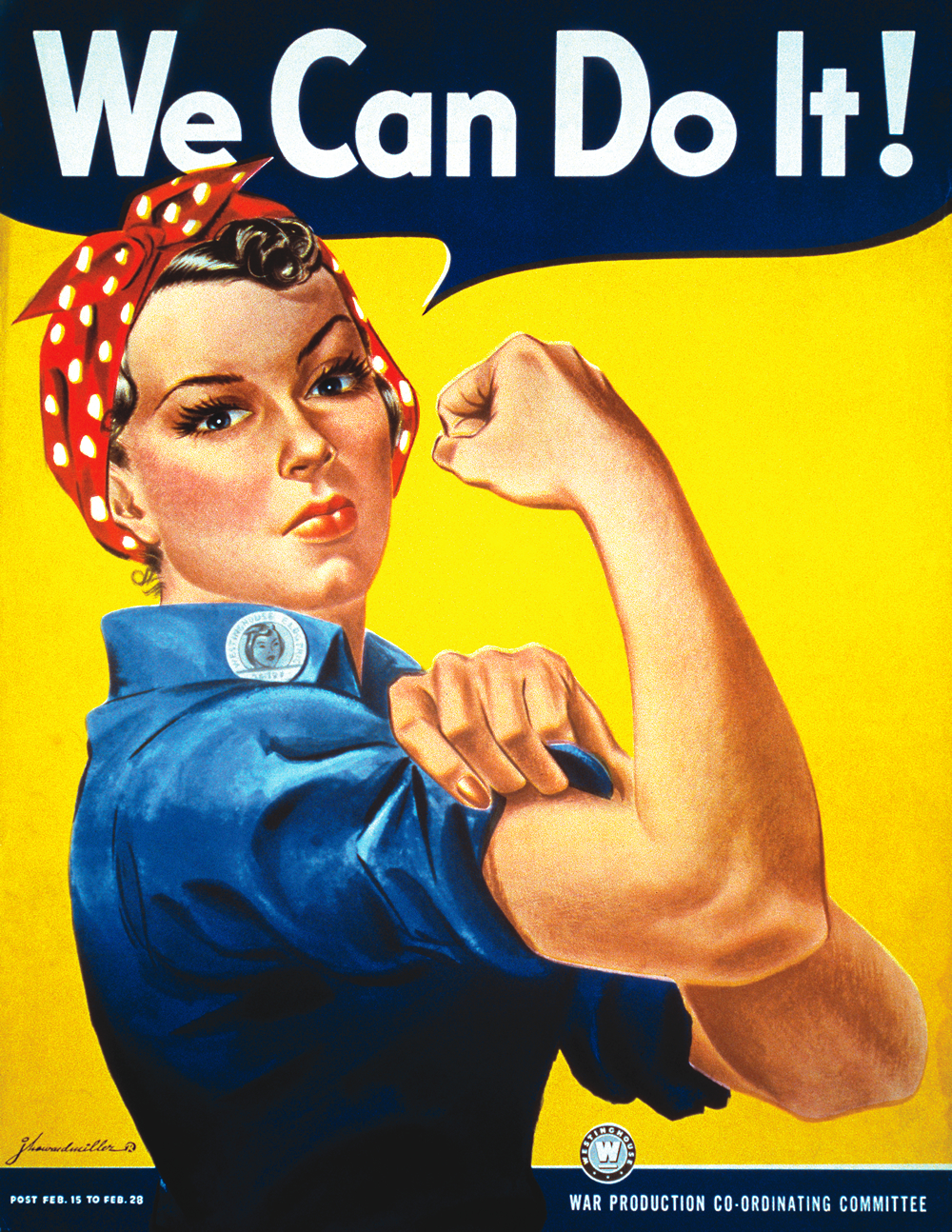
Part of the problem lies in our very conception of the word "strong". As of now, the word evokes images of extreme muscles, a large size, outward displays of power, loudness and we tend to think sort of thing is all there is to the word "strong". 

Women through the ages have more often shown a different kind of strong, not the overbearing, loud, dominating strength of size and power, but the silent strength of endurance. Of being treated like crap and being able to continue, of pushing through pain and surviving. 


Isn't THAT incredibly strong? 


Throughout history women have endured mistreatment, abuse, and/or violations to human dignity--does it not take monumental strength to make it through that?


Women have waited patiently and faithfully for months years, even decades for men to come home, (I'm talking about the past of widow's walks) doesn't keeping up that level of commitment, self control and hope not take strength? 

Wouldn't you agree that the world has let down women far more than men? Doesn't it require strength to be able to take disappointment? Doesn't accepting it and rising above it in order to try again require strength? Doesn't having your hopes crushed time and time again and still choosing to fight require strength?


Women have been strong all along. We just don't acknowledge this form of strength AS strength. 


So really what we're doing is undermining different forms of strength. 


We need more representation of female characters that are there for more than sex appeal (not because sex appeal is bad, but because it is not all that is valuable about a female), we need female characters that don't submit if they disagree, women that solve problems, women that are listened to and respected. 

But we need to be careful to not conflate better, more diverse representation with old systems so all that happens is a continuation of the problem. 


Samantha Wright, the weightlifter in question
The other side of this is that traits traditionally associated with women are often seen as negative/used to demean what a woman does. For example, a female weightlifter wrote a piece about being called "the cutest weightlifter" and it does bring up important points about how the value of women is underscored and our work is often not taken to be as important as our looks. 

Absolutely in Samantha Wright's case "cute" devalues her and what she does. So can we stop using it that way? 


Because why does "cute" have mean you're not being taken seriously? Why can't someone be cute and be taken seriously? In my view, so long as we give the most importance to the person's capabilities, it's okay to be a bit more superficial.

A message I seem to see a lot is that "cute" and "respected" or "taken seriously cannot go hand in hand. Well maybe they should start dating. Maybe we as a culture need to stop making those two things mutually exclusive, stop forcing people to choose between what might very well be two parts of themselves. 


I personally love being cute and because of the situation, I know I can take it as a compliment, but when I want to be serious, I want to be respected. And it is NOT right to tell me or other people that there must be a choice.


Once again you are getting reinforcements of the need to be tough, this kind of thinking drives the idea that toughness needs to be displayed for respect. 


The other thing I'm getting at here is that we need to stop associating traditional feminine things with "weak" or "bad". Weakness in itself is not bad, it's part of being human. What's bad is not being able to overcome weakness. But that doesn't make a person any lesser, everyone develops the ability at different rates. 

This is honestly probably half the reason why women are not valued as much as we should be: because femininity is not valued. But where does that leave people on whom gender roles fit and fit well? 


We need to change the conversation and show everyone can bring strengths to the table. 


And when we get there, everyone will benefit. 


Like this post? Then please press those g+1 buttons, share on social media and comment, I'd love to hear from you!


Saturday, 31 October 2015

Strong Female Role Models? I Think What We Really Mean is Tough (Part I)


Note: I use gender binaries such as women/men and male/female in this post for simplicity's sake, but I understand and recognize there are many more gender expressions and identities out there. 

So here is an issue I first thought about around a year ago now. What the heck does "strong female character" or "strong female role model" even mean? 


And before you jump to tell me, "That's easy! Strong female role models are independent! They stand up for themselves! They... aren't weak!" 


I want you to pause for a second, because I don't know about you, but that sounds an awful lot like the tough guise society has and continues to encourage men to display


The more I think about it, the more I feel like the idea of "strong females role models" in its current manifestation really just means tough women, (And I'm not saying that there aren't tough women, tough women are bad or that representing tough women isn't important, a diverse range of the representation of females is essential.) it's just that this approach has many pitfalls to it. 


There is a lot of pressure on women these days to break free from gender roles, be independent, stand up for themselves etc and taking the argument from above one step further I'm almost inclined to argue this idea of "strong female role models" is actually in some forms a veiled way to try to get women to act more like men.   


Because what literally seems to be happening is that we're pushing aspects hypermasculinity on women. And that just seems like all kinds of backwards and wrong doesn't it? 


And I'm not arguing that it's bad for women to be all these things. I'm arguing that it's bad to put pressure on women to be these things just as it is bad to pressure men to be these things, especially when they are not. 


We know hypermasculinity can be absolutely

toxic. We know it contributes to intimate partner violence, we know it contributes to the disgustingly high instances of rape in the Americas, we know that it boxes boys and men in, in addition to making life for women a whole lot harder. 

In short, we know that in the end it's not good for ANYONE. (I get the argument that if it wasn't good for anyone, it wouldn't exist, but I'm saying that even though it can be beneficial to some, in the end, the disadvantages cancel out any advantages there may appear to be) 


So how the heck can it POSSIBLY be good to be pushing it onto women? 


We're starting to tell both men and women that it's not okay to have vulnerable moments, it's not okay to lean on another, that having relationships and not being completely independent is weak, wrong. 


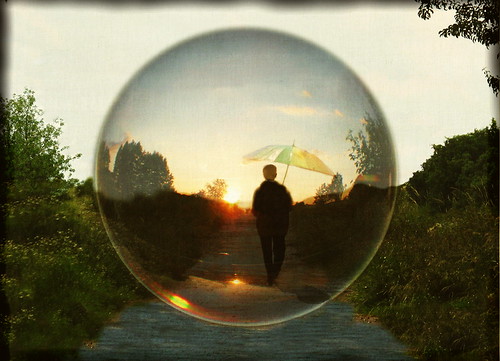
It's like we're trying to create a world where everyone is in their own separate bubble, where we only interact when we have to, where we bottle everything up and take care of whatever we're feeling alone. 

And I have to say that would probably the worst thing ever. 


I've come to realize loving, connecting with other people and beings is one of the most fulfilling things a person can do. 


And that's not to bash alone-time, that is also super important. So I guess what I'm trying to say is that both connecting with others and having time for yourself is really important and as of now, it seems like we're focusing much too heavily on turning everything into alone. 


There's already so much violence and hate out there, we don't want to push this tough guise onto women, too and create the same problems with us as there are with men. 


Because in the end, not only does pushing toughness make it more likely for the individual to hurt others, but it also hurts them too.  


We don't necessarily have as much to say on this subject for women as for men, but at the very least, it's made it so at least one female in the spotlight is or was so afraid of being characterized as "weak" (and therefore bad role models or whatnot) that she refused to call an ambulance even when she feared she was dying. (And yes one can argue on both sides whether or not she is a good role model, but that is not the point).


I'd like to take a moment here to shine a spotlight

 on the way this adversely affects Black women specifically. 

The "Angry Black Woman" stereotype creates a lot of problems for them. It means it's a lot easier for them to be considered aggressive or angry, it means instead of listening to them people often get freaked out and tell them to "calm down" yet when a man does the same thing he is "assertive" and applauded for it... Double Standard anyone? 


However what might be the biggest thing is that not all Black women want to be strong all the time, but because of the stereotype  they are treated as if they are and so that becomes their only choice


And everyone knows about how exhausting it is to constantly play the role of someone you're not. 


This is just one of several ways Black women's voice's are erased.


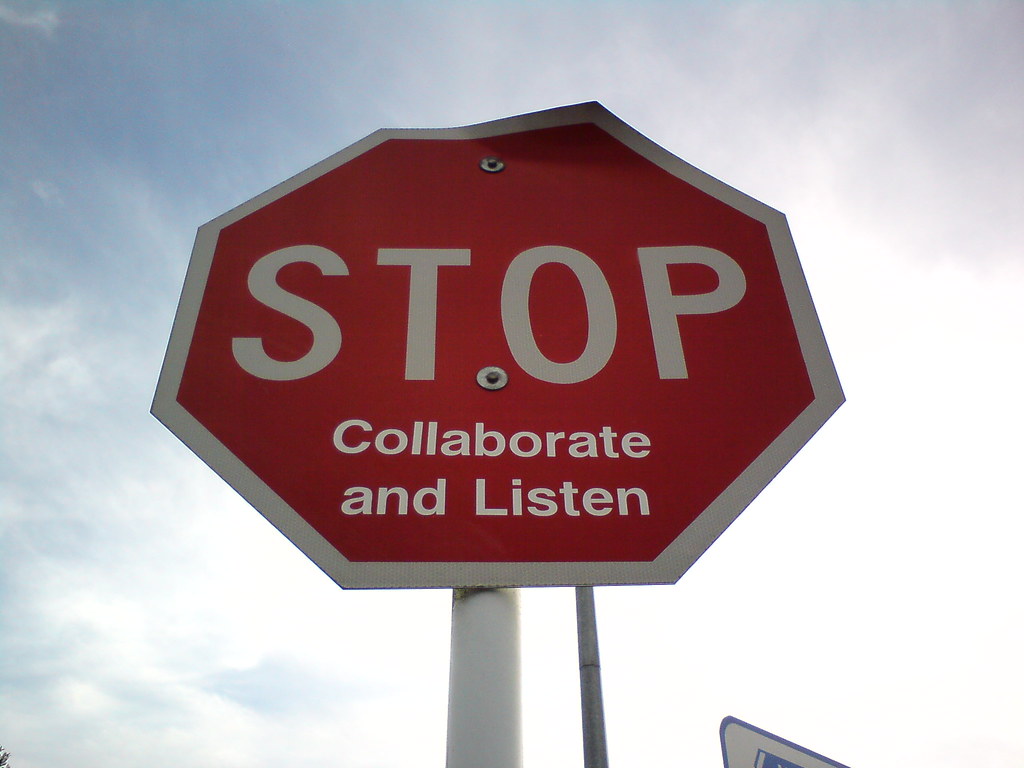
So the next time you're speaking to someone, especially if it's to a minority about the oppression of minorities, just stop and listen for a moment. You are entitled to an opinion of course, but they are also entitled to theirs and if they aren't given the chance to express that opinion you are taking part in the oppression


As my friend's really awesome mom taught him, when trying to have a fair conversation you need to listen to what everyone else has to say in addition to spewing out what you believe. 

Like this post? Then please press those g+1 buttons, share on social media and comment, I'd love to hear from you! Look out for Part II coming in a week or so. (I promise)


Tuesday, 8 September 2015

For The Love of Teachers


Hey Internet, it's been a long time. I'm really going to try harder to do these more often, there's so much to talk about. 

So since school started today for us Canadians I wanted to write about something I've been seeing more and more often that has been really bothering me and that is the way kids treat teachers. This mostly pertains to high school since that is the experience I'm immersed in right now, but I'm sure there are echoes of this in other places.


As a student I know just as well as the next kid that it sometimes seems like teachers are some kind of strange alien species that don't exist outside of school.


That sometimes it seems like they are torturers and you are the victim.

Here's the thing though, they aren't.


In high school marks matter and often kids are demanding to get assignments and tests back and that's understandable. One thing I think is less understandable, however, is complaining when things don't get back to you in what you feel is a timely manner.


I mean giving something in and getting it back months later is not reasonable, but a week, two, three? Your mark you get on it is the same no matter how quickly you get it back. 

And that brings me to the next thing. 

When you don't get the mark you want, often the immediate reaction is to blame the teacher. It's because this teacher is an ass, that they mark too hard (and granted there are plenty that are and/or do). 


That's not so much a big deal, but what worries me is that we often don't look inward. We don't ask "What did I miss", "What could I have done better?", "What did I not do enough of" we tend to push it on the teacher. 

But asking these kind of questions in life is the only way that we'll grow as individuals.

It seems nowadays the teacher-student relationship is this weird "I serve you, and you'd better serve me back"  kinda thing, but it really shouldn't be . 

The thing is, teacher's don't owe you anything. 

The good ones care, and they care a lot so they try to help you and do what you want them to, like give your things back quickly.

But they don't have to do that.

All they really have to do is get the curriculum into your head. 

They don't have to stay up to plan some fun way to do that, they don't have to offer extra help, they don't have to decorate the classroom so it could inspire you, they don't have to make you photocopies when you lose your papers, they don't have to supervise extracurriculars so school is at least sort of fun.

Yes school is like torture sometimes, but if you just think about it for a moment, I think you'll realize there are plenty of other examples of nice things teachers do for us. 

Don't you think we should give at least some of it back? 

I've gotten to see a bit of the behind-the-scenes of teacher life, and you know, they work hard

The least you can do is respect that. So don't leave your freaking handouts everywhere, some teacher spent a long time making them. 

Listen when they're teaching a lesson, you don't know how long it took that teacher to prep it. Plus it might just be a little bit more amusing than twiddling your thumbs, and you might just -- gasp -- learn something!

And finally, CARE. They've worked hard to have a good lesson ready for you and seeing it fall onto unresponsive faces is probably the thing that discourages and depresses teachers the most. 

There's something up with the kids in school these days, I've heard so many complaints from teachers about how we just don't seem to care anymore. 

And that's scary. 

How are we going to get anywhere as individuals and a population if we don't care, if we're not driven, if we don't have goals? 

So I guess my main message is that we can be a heckuva lot better students and that would be a heckuva lot better for us. 

We should stop being so tough on teachers for not giving us what we want; stop hurting them by not respecting them and what they do for us; and to not take their kindness for granted. They aren't there to serve us, they're there to guide us. 

Teachers are such important and great people. For me personally, they've been much needed allies, people to ask for advice, and have helped me discover some of my passions in life. So don't you think they deserve more than we're giving them right now?

There are absolutely bad ones that merit complaints, but don't let that attitude bleed into your interactions with other teachers. 

In the end they are only human, people who have feelings, make mistakes, and have their lives to live. Whether or not that always seems the case. ;)

Please press those g+1 buttons if you liked this!